
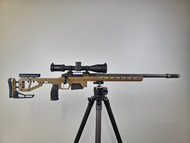
The Lightweight Paradox: Building a Rigid Mountain Rifle for Backcountry Hunts
Apr 29th 2026
Building a lightweight mountain rifle sounds simple enough. You want a rifle that is easy to carry deep into the mountains. At the same time, you need it to stay accurate when it matters most. This creates a challenge. When you remove weight, you often lose rigidity and accuracy can suffer.
This balance is known as the lightweight paradox. A true backcountry hunting rifle must stay rigid while keeping the overall weight low. If you plan to hunt elk, mule deer, or sheep in steep terrain, your rifle needs to perform after long hikes, elevation changes, and shifting weather.
1934 Armory focuses on the foundation of these builds. We manufacture precision components and bolt-action receivers. Our parts are designed to help you create a sub-MOA mountain rifle that holds accuracy without adding unnecessary weight.
Why Weight Matters in Backcountry Hunting
In backcountry hunting, every ounce matters. When you hike miles into rough terrain, your pack weight adds up quickly. A heavy rifle becomes noticeable after long climbs and steep descents. Most hunters aim for a rifle that weighs under seven pounds. This weight range keeps the rifle manageable without sacrificing too much stability. An ultralight hunting rifle may feel great on the hike in, but it can be harder to control when you take a shot.
Weight affects how steady the rifle feels in your hands. A rifle that is too light can move more under recoil or while aiming. A properly balanced lightweight bolt action rifle helps you stay on target and shoot with confidence.
The Problem with Going Too Light
Cutting weight sounds like an easy goal but removing too much material can create problems. A rifle still needs structure to stay accurate.
Barrel Whip and Thermal Shift
The barrel plays a major role in accuracy. When you fire a shot, two things happen: the barrel vibrates, which is barrel harmonics. It also moves under recoil, called barrel whip. A heavier barrel tends to vibrate less, while a lighter barrel moves more. Lightweight builds often use a carbon fiber barrel to reduce weight while keeping stiffness. This helps control vibration and maintain lightweight rifle accuracy. Heat also affects the barrel. As you fire multiple shots, the barrel warms up and expands slightly. This can shift your point of impact. A stable barrel design helps reduce this effect.
Action Flex Under Recoil
The action is the core of the rifle. If the bolt-action receiver flexes under recoil, it can change how the cartridge lines up within the barrel. Even small movements can affect accuracy. A rigid action keeps everything aligned during firing and is critical for maintaining sub-MOA accuracy in a lightweight system. Precision machining plays a key role here since strong materials and tight tolerances help prevent flex and keep the rifle consistent.
How Precision Actions Solve the Rigidity Equation
A strong action helps solve the lightweight paradox. When the receiver is rigid, the rest of the system can perform as intended. 1934 Armory produces precision actions built on the Remington 700 footprint. This design supports a wide range of aftermarket components while maintaining alignment and strength.
These actions are machined using advanced methods like Wire EDM machining, which creates smooth internal surfaces and tight tolerances, helping to improve bolt movement and lock-up consistency. A rigid action supports better chamber alignment and shot consistency, which means your rifle is more likely to perform the same way every time you pull the trigger. For gunsmiths and builders, starting with a strong action reduces the need for corrective work later, as it creates a stable base for your entire mountain rifle build.
Chassis vs. Traditional Stock: What Backcountry Hunters Need to Know
The stock or chassis system holds the action and barrel in place. In a lightweight rifle, this part must provide strength without adding bulk. A modern chassis system offers advantages over traditional stocks, especially for precision builds.
V-Block Bedding and Free-Floating Forends
One key feature is V-block bedding. This system supports the action using a machined surface that keeps it aligned and stable. Unlike traditional bedding methods, V-block systems reduce movement and maintain consistent contact points. This improves repeatability and helps protect accuracy. A free-floating forend also plays an important role. This design keeps the barrel from touching the chassis. When the barrel is free-floating, it can vibrate the same way with each shot without being contacted by the stock. Consistent barrel movement leads to more predictable results.
Adjustability Without Added Bulk
Modern chassis systems allow you to adjust the fit of the rifle. You can change the length of pull, cheek height, and grip position. These adjustments help you stay comfortable in different shooting positions without adding extra weight, giving you a customized shooting position. This allows builders to reduce weight while maintaining rigidity. Some systems also include features like an ARCA rail for mounting support gear and compatibility with an AICS magazine for reliable feeding. A well-designed precision rifle chassis hunting setup gives you both strength and flexibility in the field.
Specifications of Your Mountain Rifle Build
Building a lightweight rifle requires careful planning. Each part should support both weight reduction and structural stability. Start with a high-quality bolt-action receiver built on a Remington 700 footprint. This ensures compatibility with a wide range of aftermarket components.
Next, choose a lightweight barrel, such as a carbon fiber option, to reduce weight while maintaining stiffness. Pair it with a muzzle brake to help manage recoil. Select a chassis made from strong materials like 7075-T6 aluminum. Look for features like V-block bedding and a free-floating forend to support accuracy.
Keep the total weight in mind. A good target for a backcountry hunting rifle is between six and seven pounds. This range offers a balance between portability and control. Every part should work together as a system. A well-planned build helps maintain accuracy in serious hunting conditions. The 1934 BE3 and BE4 actions are specifically engineered to cut weight where you need it most, giving you a premium bolt action receiver that’s built for the backcountry.
Why 1934 Armory Actions and Chassis Are Built for the Mountains
1934 Armory designs components with precision and durability in mind. Our actions are machined from strong materials and built to tight tolerances. Features like Wire EDM machining improve internal smoothness and consistency. Their components are designed to perform in demanding environments, including backcountry hunts.
We also offer a premium chassis system built for lightweight performance, designed with rigidity, adjustability, and weight control in mind. You can explore available options through our premium bolt action receivers or premium short action chassis page.
Get Ready for Fall: Contact 1934 Armory
Building a lightweight mountain rifle requires careful choices. Every ounce matters, but so does every point of contact inside the rifle. A strong action, a stable chassis, and the right materials help solve the lightweight paradox. When these elements come together, you get a rifle that is easy to carry and dependable when it counts.
1934 Armory builds the precision components that make these systems possible. Our focus on machining quality and structural integrity supports accurate, reliable performance in the field. If you are planning a new mountain rifle build or upgrading your current setup, now is the time to prepare for the season ahead so contact us to get started today.