
What Is an FFL Type 07 and SOT? An OEM Buyer's Guide
Posted by Dan Danner on Jul 30th 2026
By Dan Danner, Project Manager — 1934 Armory (Elsner Engineering Works)
Last updated: July 2026
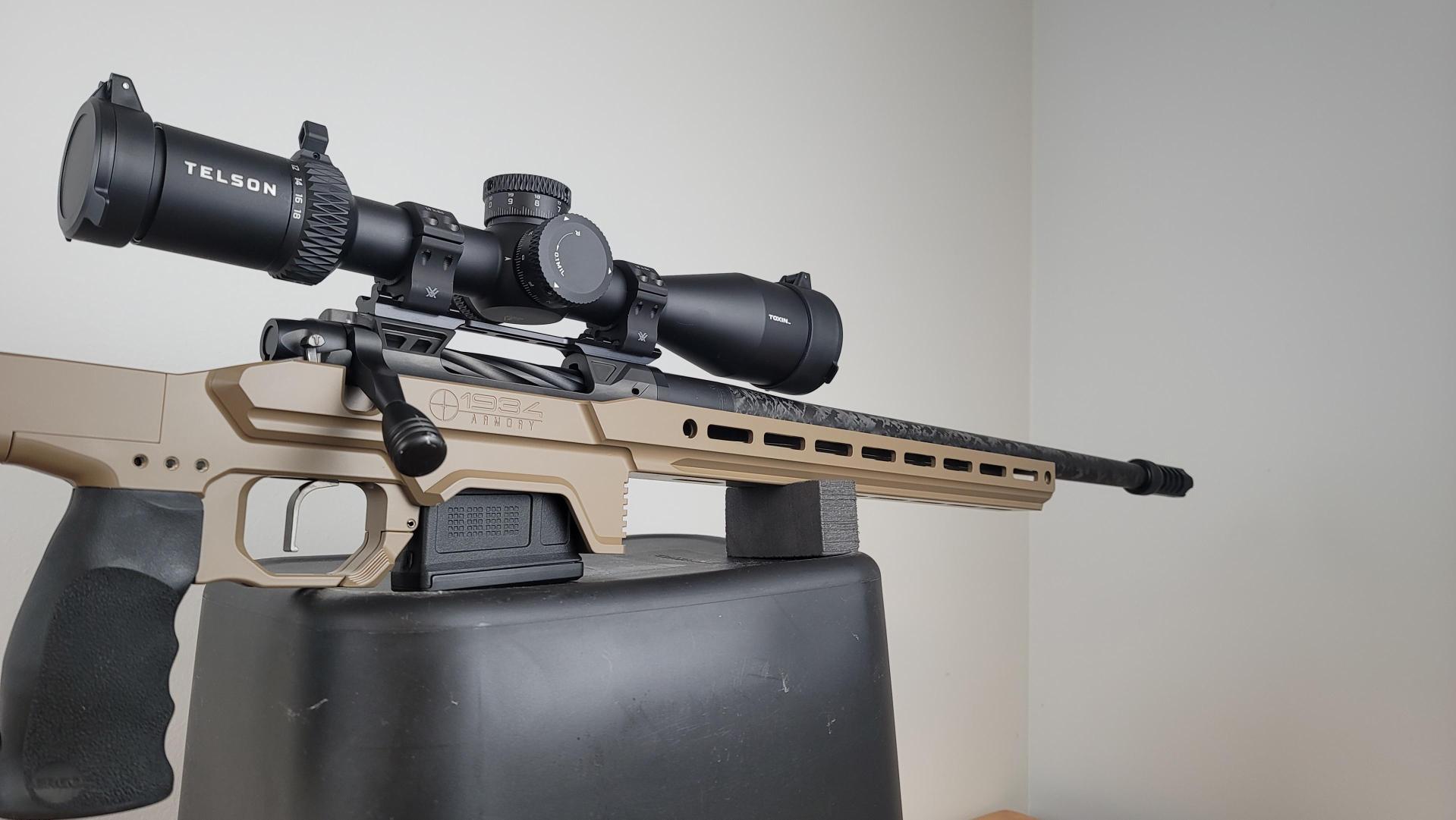
An FFL Type 07 is a federal license issued by the ATF that allows a company to manufacture firearms and ammunition. An SOT, or Special Occupational Taxpayer status, is an additional registration that allows a qualified manufacturer to work with certain NFA-regulated items, including suppressors and other regulated products within its approved scope. Together, an FFL Type 07 and SOT are common credentials for a professional firearm manufacturer. They are separate from ITAR registration, which depends on the U.S. Munitions List and the specific work being performed.
Key Takeaways
- An FFL Type 07 allows a company to manufacture firearms and ammunition.
- An SOT is an additional registration that allows qualified manufacturers to work with certain NFA-regulated items.
- An FFL Type 07 and SOT serve different purposes and are not interchangeable.
- ITAR and AS9100 are separate from firearm licensing and apply only in certain situations.
- When evaluating a manufacturing partner, look for an FFL Type 07, SOT where appropriate, documented ATF compliance, and ISO 9001 certification.
What is an FFL Type 07?
An FFL Type 07 manufacturer is a company that has received a federal license from the Bureau of Alcohol, Tobacco, Firearms and Explosives (ATF) to manufacture firearms and ammunition. If you have ever searched for a production partner and noticed "FFL Type 07" listed on their website, this is what it means. The key word is manufacturer. An FFL Type 07 is different from a dealer license. A common dealer license is an FFL Type 01, which allows a business to sell firearms but not manufacture them. A Type 07 is specifically intended for companies that produce firearms and firearm components as part of their business. This distinction matters if you are hiring a company to manufacture products for your brand.
A dealer may be able to transfer firearms legally, but that does not mean they have the authority to manufacture them. A company manufacturing firearms for commercial purposes must hold the proper federal license. An FFL Type 07 also comes with responsibilities. Manufacturers must follow ATF regulations covering recordkeeping, serialization requirements, inspections, and inventory controls. Holding the license is only part of the process. Maintaining compliance is equally important.
What is an SOT, and how is it different from the FFL?
An SOT, or Special Occupational Taxpayer, is not a replacement for an FFL. Instead, it works alongside an existing federal firearms license, almost like an additional authorization. A manufacturer must first hold the appropriate FFL before becoming an SOT. Once approved, the SOT allows the company to manufacture or work with certain NFA-regulated items that fall under the National Firearms Act. This is where many buyers become confused. They often hear "FFL Type 07 vs SOT" as though they are competing licenses, which they are not.
The Type 07 FFL gives a manufacturer the legal authority to manufacture firearms. The SOT expands what that manufacturer can legally work with under the National Firearms Act. If the product line includes suppressors or other regulated products, understanding this difference becomes important during supplier selection.
What a Type 07 + SOT manufacturer can (and can't) make
A manufacturer holding both an FFL Type 07 and the appropriate SOT can legally manufacture firearms and work with many NFA-regulated products that fall within the scope of those licenses. This may include suppressors, suppressor components, short-barreled rifles, and other regulated products authorized under federal law. That does not mean every manufacturer automatically produces every type of regulated firearm or component. Production capabilities will depend on equipment, engineering expertise, customer requirements, and regulatory scope.
Holding an FFL Type 07 and SOT does not automatically authorize every possible firearm or destructive device. Certain products require different licensing, registrations, or regulatory oversight.
The license also does not guarantee machining quality. Two companies may both hold an FFL Type 07, yet one may have significantly stronger engineering processes, inspection systems, and quality controls than the other. When evaluating manufacturers like 1934 Armory, treat licensing as your starting point, not your final decision.
Where ITAR and AS9100 fit
ITAR is one of the most misunderstood topics in firearm manufacturing. Many buyers assume every manufacturer supporting defense-related work must hold ITAR registration directly. In reality, ITAR requirements depend on whether the work falls under the United States Munitions List (USML) and how the overall program is structured. In many defense programs, the prime contractor maintains ITAR registration and qualifies subcontractors under its compliance framework. That means a contract manufacturer supporting the project may not need to hold ITAR registration independently.
Conversely, AS9100 is an aerospace quality management standard. It is highly respected within aerospace manufacturing, but it isn't a requirement for every firearm manufacturer or contract machining company. ISO 9001 is much more common within precision manufacturing because it focuses on documented quality management systems, repeatable processes, and continuous improvement. When the time comes for you to evaluate a firearm manufacturer, ask how they manage compliance rather than assuming a specific certification automatically applies.
See exactly which certifications and licenses we hold
Do you need your own FFL to have firearms manufactured?
If your company hires a licensed manufacturer to produce firearms according to your specifications, the manufacturer generally holds the required manufacturing license. This is one reason contract manufacturing has become popular with growing firearm brands. Instead of investing in their own manufacturing facility, equipment, licensing, inspection systems, and compliance infrastructure, companies can work with an established production partner. The exact licensing requirements depend on your business model and how products are manufactured, transferred, and sold. If you are unsure which licensing applies to your business, consult the ATF or qualified legal counsel before beginning production.
What FFL and SOT are required of a manufacturing partner
When evaluating manufacturers, licensing should be part of a larger qualification process. Start by confirming the company holds an FFL Type 07 if they will be manufacturing firearms. If your project includes suppressors or other NFA-regulated products, verify that the manufacturer also maintains the appropriate SOT. Beyond licensing, look for documented ATF compliance and an ISO 9001 certified quality management system. Certification shows that an independent organization has verified the company's quality processes.
Ask questions about inspection procedures, traceability, serialization, and production documentation. A qualified manufacturer should be able to explain these systems clearly. Finally, evaluate the company as a production partner rather than simply checking licenses off a list. Manufacturing capability, engineering support, communication, and production consistency are just as important as regulatory credentials.
Have a program in mind? Send us your specs
Frequently Asked Questions
What is an FFL Type 07?
An FFL Type 07 is a federal license issued by the ATF that allows a company to manufacture firearms and ammunition for commercial purposes.
What's the difference between FFL Type 07 and SOT?
An FFL Type 07 allows a company to manufacture firearms. An SOT is an additional registration that allows qualified manufacturers to work with certain NFA-regulated items. Items like suppressors, suppressor components, short-barreled rifles and shotguns, and other items covered under the NFA.
Do you need an FFL to manufacture firearms?
Yes. Companies manufacturing firearms for commercial purposes must hold the appropriate federal firearms license. There are different types of FFL classifications, but a Type 07 FFL is one of the requirements for manufacturing firearms.
Can a Type 07/SOT manufacturer make suppressors?
Yes. A manufacturer holding both the proper FFL Type 07 and SOT may legally manufacture suppressors and other NFA-regulated products within the scope of federal law.
Does a firearm manufacturer need ITAR?
Not always. ITAR requirements depend on the United States Munitions List and the structure of the defense program. Many subcontractors support ITAR-controlled work through prime contractors that maintain the required registration. Subcontracting is common when dealing with ITAR related situations.
What licenses should I require of a manufacturing partner?
For firearm manufacturing alone, look for an FFL Type 07. If you need items like suppressors or short-barreled rifles manufactured, the SOT is required where NFA work applies, as well as documented ATF compliance, and ISO 9001 certification. You should also evaluate the company's production capabilities, inspection processes, and manufacturing experience.
Related Guides
- How to Choose a Firearm Contract Manufacturer
- OEM Manufacturing for the Firearms Industry
- Large Batch Manufacturing for the Firearms Industry
Working with 1934 Armory
Understanding an FFL Type 07 and SOT helps you know the right questions and starting point when evaluating manufacturing partners. Licensing is an important part of the process, but it is only one piece of the larger picture. Quality systems, engineering experience, production consistency, and clear communication all play an important role in building a successful manufacturing relationship.
If you are evaluating suppliers for a new firearm program, reviewing certifications is a good place to begin. From there, compare manufacturing capabilities, inspection procedures, and production experience before making your final decision.
To learn more about 1934 Armory's certifications, engineering capabilities, and manufacturing process, visit our Certifications page or request a consultation to discuss your project.